


ADALAT LA 30MG 30TAB
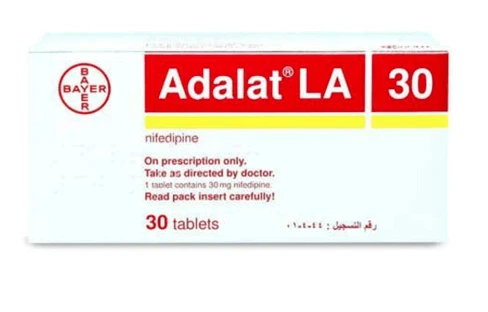
ADALAT LA 30MG 30TAB
46
40
2 Points
Miscellaneous
Not Available
Download Adam Pharmacy App


Nifedipine 30mg tablet
What Nifedipine is used for:
It is used to treat high blood pressure or angina.
For high blood pressure: it works by relaxing and expanding the blood vessels. This makes the blood flow more easily and lowers blood pressure. Lower blood pressure reduces the strain on your heart.
For angina: it works by relaxing and expanding the arteries supplying the heart. This allows more blood and oxygen to reach the heart and decreases the strain on it. Your angina attacks will be less severe and less frequent if there is less strain on the heart.
Do not take Nifedipine:
If you have had a heart attack within the last month.
If you get a sudden angina attack.
If you have unstable angina.
If you are allergic to nifedipine, any other similar medicines (known as dihydropyridines) or any of the other ingredients of this medicine.
If you are taking rifampicin, an antibiotic.
If you have a liver disease that prevents your liver from working properly.
If you have inflammation of the bowel or intestines, such as Crohn’s disease.
If you have an obstruction or narrowing in your intestines, or have had this in the past.
If you have ever had an obstruction in the gullet (the oesophagus - the tube connecting the throat to the stomach).
If you have been told that you have a narrowing of the aortic heart valve (stenosis).
If you have ever had a collapse caused by a heart problem (cardiogenic shock), during which you became breathless, pale and had a cold sweat and dry mouth.
If you have a “Kock pouch” (a surgically constructed intestinal reservoir with an opening through the abdominal wall) in your gut.
If your blood pressure continues to rise despite treatment.
Warnings & Precautions:
Talk to your doctor before taking Nifedipine
If you have low blood pressure and you were prescribed nifedipine for your angina.
If you have a heart condition where your heart cannot cope with increased strain (poor cardiac reserve).
If you are a diabetic.
If you are on kidney dialysis.
If your liver is not working properly.
Also tell your doctor:
If you are giving a urine sample. It may interfere with the results of certain urine tests.
If you are to have a barium contrast x-ray (barium meal). These tablets may affect the results of the test.
If you are a man who has been unable to father a child by in vitro fertilisation. Drugs like Nifedipine have been shown to impair sperm function.
Possible Side Effects:
Constipation
Headache
Flushing
Other medicines and Nifedipine:
Tell your doctor or pharmacist about all medicines you take, including prescription and over-the-counter medicines, vitamins and herbal supplements.
Tell your doctor if you are taking:
Other medicines to treat high blood pressure.
Rifampicin (an antibiotic).
Cimetidine (to treat stomach ulcers).
Digoxin, diltiazem, quinidine or beta-blockers (to treat heart conditions).
Quinupristin/dalfopristin (a combination antibiotic).
Phenytoin, carbamazepine or valproic acid (to treat epilepsy).
Cisapride (to treat reduced movements of the gullet and stomach).
Magnesium sulphate injections during pregnancy (may cause a severe fall in blood pressure).
Erythromycin (an antibiotic).
Ketoconazole, itraconazole or fluconazole (anti-fungal medicines).
Indinavir, nelfinavir, ritonavir, saquinavir or amprenavir (to treat HIV).
Fluoxetine or nefazodone (to treat depression).
Tacrolimus (to prevent the rejection of transplanted organs).
Phenobarbital
How to take Nifedipine:
For hypertension: Adults above 18 years old: the recommended dose is one tablet daily.
For angina: the dose depends on your individual requirements. Your doctor will decide how much you should take.
You can take it with or without food.
Swallow the tablets whole. Do not bite, chew or break them.
Do not drink grapefruit juice or eat grapefruit while taking Nifedipine.
Take your dose at the same time each day, preferably in the morning. Take your tablets with a glass of water.
What Nifedipine is used for:
It is used to treat high blood pressure or angina.
For high blood pressure: it works by relaxing and expanding the blood vessels. This makes the blood flow more easily and lowers blood pressure. Lower blood pressure reduces the strain on your heart.
For angina: it works by relaxing and expanding the arteries supplying the heart. This allows more blood and oxygen to reach the heart and decreases the strain on it. Your angina attacks will be less severe and less frequent if there is less strain on the heart.
Do not take Nifedipine:
If you have had a heart attack within the last month.
If you get a sudden angina attack.
If you have unstable angina.
If you are allergic to nifedipine, any other similar medicines (known as dihydropyridines) or any of the other ingredients of this medicine.
If you are taking rifampicin, an antibiotic.
If you have a liver disease that prevents your liver from working properly.
If you have inflammation of the bowel or intestines, such as Crohn’s disease.
If you have an obstruction or narrowing in your intestines, or have had this in the past.
If you have ever had an obstruction in the gullet (the oesophagus - the tube connecting the throat to the stomach).
If you have been told that you have a narrowing of the aortic heart valve (stenosis).
If you have ever had a collapse caused by a heart problem (cardiogenic shock), during which you became breathless, pale and had a cold sweat and dry mouth.
If you have a “Kock pouch” (a surgically constructed intestinal reservoir with an opening through the abdominal wall) in your gut.
If your blood pressure continues to rise despite treatment.
Warnings & Precautions:
Talk to your doctor before taking Nifedipine
If you have low blood pressure and you were prescribed nifedipine for your angina.
If you have a heart condition where your heart cannot cope with increased strain (poor cardiac reserve).
If you are a diabetic.
If you are on kidney dialysis.
If your liver is not working properly.
Also tell your doctor:
If you are giving a urine sample. It may interfere with the results of certain urine tests.
If you are to have a barium contrast x-ray (barium meal). These tablets may affect the results of the test.
If you are a man who has been unable to father a child by in vitro fertilisation. Drugs like Nifedipine have been shown to impair sperm function.
Possible Side Effects:
Constipation
Headache
Flushing
Other medicines and Nifedipine:
Tell your doctor or pharmacist about all medicines you take, including prescription and over-the-counter medicines, vitamins and herbal supplements.
Tell your doctor if you are taking:
Other medicines to treat high blood pressure.
Rifampicin (an antibiotic).
Cimetidine (to treat stomach ulcers).
Digoxin, diltiazem, quinidine or beta-blockers (to treat heart conditions).
Quinupristin/dalfopristin (a combination antibiotic).
Phenytoin, carbamazepine or valproic acid (to treat epilepsy).
Cisapride (to treat reduced movements of the gullet and stomach).
Magnesium sulphate injections during pregnancy (may cause a severe fall in blood pressure).
Erythromycin (an antibiotic).
Ketoconazole, itraconazole or fluconazole (anti-fungal medicines).
Indinavir, nelfinavir, ritonavir, saquinavir or amprenavir (to treat HIV).
Fluoxetine or nefazodone (to treat depression).
Tacrolimus (to prevent the rejection of transplanted organs).
Phenobarbital
How to take Nifedipine:
For hypertension: Adults above 18 years old: the recommended dose is one tablet daily.
For angina: the dose depends on your individual requirements. Your doctor will decide how much you should take.
You can take it with or without food.
Swallow the tablets whole. Do not bite, chew or break them.
Do not drink grapefruit juice or eat grapefruit while taking Nifedipine.
Take your dose at the same time each day, preferably in the morning. Take your tablets with a glass of water.
GTIN : 6285074001205
Weight : 1.000 KG